

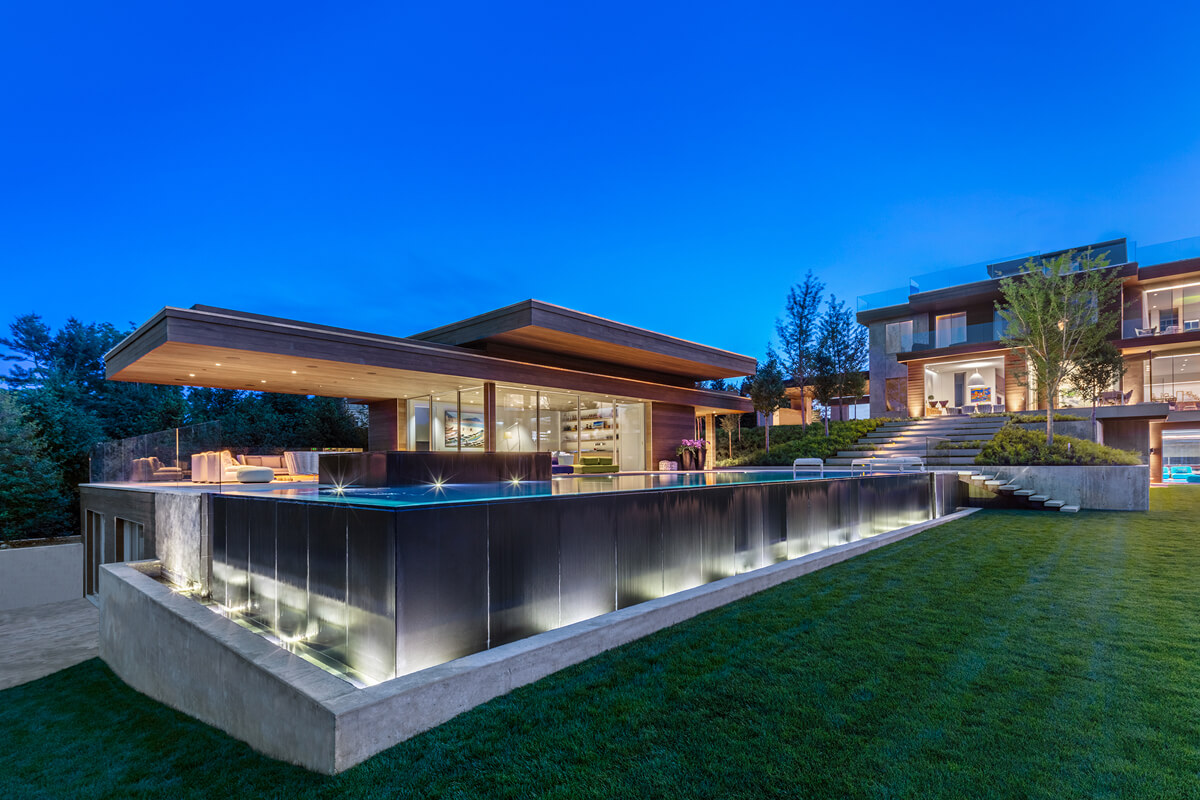
High-end homes present maintenance demands markedly different from those of standard properties due to systems such as multiple HVAC zones, aging infrastructure, custom finishes, smart technology, and secondary structures, all of which increase the risk of hidden wear.
Without consistent oversight, smaller concerns can escalate into water intrusion, system failures, structural deterioration, or damage to specialty materials long before obvious warning signs appear.
In the following sections, you’ll find a closer look at the maintenance issues unique to high-end homes, the reasons behind their complexity, and actionable strategies for long-term property protection.
Why Do Luxury Homes Develop Different Maintenance Problems?
High-end homes operate differently from standard residential properties. Many include multiple HVAC zones, extensive plumbing systems, smart home technology, custom millwork, natural stone, large rooflines, drainage infrastructure, outdoor living spaces, and secondary structures such as guest houses or pool houses.
This complexity means hidden wear often develops behind walls, beneath flooring, or within mechanical systems before visible warning signs appear.
The issue itself is not always the largest expense; the real cost usually comes from how long the problem went unnoticed.
Hidden Moisture and Water Intrusion
Water intrusion remains one of the most common and costly maintenance issues in luxury homes.
Leaks don’t usually rear their ugly head with dramatic ceiling stains or visible flooding. Moisture can develop behind finished walls, beneath hardwood flooring, around window systems, or near roof flashing long before homeowners notice visible damage.
Common causes include:
- Roof flashing failures
- Drainage and gutter overflow
- Window seal deterioration
- Foundation seepage
- Plumbing leaks behind walls
- Ice dam damage after winter
- Poor grading around the property
Older homes in Westchester and Fairfield County often face additional risks because freeze-thaw cycles, aging masonry, and historic construction materials create more vulnerability over time.
By the time water damage becomes visible, repairs may involve drywall replacement, flooring restoration, mold remediation, insulation replacement, or custom finish work.
HVAC Systems Quietly Lose Efficiency
Large homes commonly operate multiple HVAC systems across several floors, guest wings, detached garages, pool houses, or secondary structures. Without coordinated servicing and oversight, performance issues can continue developing until comfort, airflow, or humidity control noticeably changes throughout the property.
Common HVAC issues include:
- Dirty coils and clogged filters
- Failing zone dampers
- Refrigerant leaks
- Condensate drain blockages
- Thermostat calibration issues
- Boiler pressure problems
- Aging ductwork leaks
Some homeowners first notice problems through uneven room temperatures, rising utility costs, changes in humidity, or systems running constantly without maintaining comfort.
Luxury homes with guest houses, wine rooms, gyms, or extensive automation systems place even greater year-round demand on HVAC systems.
Roof and Drainage Problems Often Start Small
Roofing and drainage problems can escalate quickly on larger properties.
Complex rooflines, flat roof sections, copper gutters, slate roofing, and extensive drainage systems all require regular inspection. A single blocked downspout or lifted flashing section can redirect water toward walls, foundations, or finished interior spaces.
Common issues include:
- Gutter overflow
- Ice dam damage
- Flashing deterioration
- Drainage pooling near foundations
- Settling around downspout discharge points
- Flat roof standing water
- Retaining wall drainage pressure
Roof inspections usually occur after interior damage appears, even though drainage and flashing failures typically develop long before visible leaks reach finished spaces.
Smart Home and Automation Failures
Luxury homes increasingly rely on integrated automation systems controlling:
- Lighting
- Security
- HVAC
- Shades and blinds
- Audio systems
- Pool controls
- Irrigation systems
- Remote monitoring
When one part of the system fails, the problem can quickly affect multiple areas of the property.
Software updates, aging hardware, network instability, and disconnected integrations commonly create issues that homeowners may not notice immediately, especially in second homes or seasonally occupied properties.
Automation systems also require periodic testing and maintenance to ensure they continue functioning reliably over time.
Deferred Seasonal Maintenance Creates Expensive Repairs
Seasonal maintenance delays often lead to the largest repair costs in high-end homes. Pool winterization, HVAC and irrigation shutdowns, chimney inspections, gutter clearing, and generator testing operate on narrow seasonal windows. Missed windows allow minor issues to turn into emergencies during extreme weather.
Some examples to watch out for include:
- Frozen pipes after delayed winterization
- Failed boilers during winter cold snaps
- Pool equipment damage after improper shutdown
- Basement flooding during spring rain
- Generator failures during storms
- Ice dam water intrusion after neglected gutter clearing
Secondary Structures Often Get Overlooked
Guest houses, pool houses, detached garages, and outdoor living spaces often receive less attention than the main residence. Since these spaces may go unused for long periods, problems can develop unnoticed for months. Common overlooked issues include:
Common overlooked issues include:
- HVAC failures
- Plumbing leaks
- Roof deterioration
- Drainage issues
- Pest intrusion
- Humidity and moisture buildup
- Electrical or automation failures
Many maintenance problems become far more expensive simply because no one noticed them early enough.
Luxury Properties Require Consistent Oversight
Luxury homes operate as interconnected systems, which means maintenance problems rarely stay isolated to one area of the property for very long.
Managing multiple vendors independently can easily create gaps between inspections, servicing schedules, seasonal preparation, and repair documentation. One contractor may notice an issue involving drainage, humidity, or HVAC performance without realizing another connected system is already under strain elsewhere in the home.
Consistent oversight helps homeowners:
- Identify developing issues earlier
- Coordinate seasonal servicing properly
- Track recurring maintenance concerns
- Maintain accurate property records
- Reduce emergency repairs
- Protect long-term property value
The key takeaway: most major repairs in luxury homes begin as minor, overlooked maintenance issues. Early detection and regular oversight can dramatically reduce long-term costs.
Protect Your Home with Consistent Oversight
Luxury homes require coordinated oversight of HVAC systems, drainage, roofing, automation technology, plumbing, and seasonal servicing to prevent minor maintenance issues from escalating into major repairs.
Dibico Home Management Services provides proactive property oversight throughout Westchester and Fairfield Counties, helping homeowners stay ahead of developing issues through preventive inspections, vendor coordination, and ongoing home management. Call (203) 618-1219 today to schedule a consultation with our team of luxury home management experts.