

Quick Answer
Opening a Westchester home after winter involves more than turning systems back on. Spring is the time to inspect for winter damage, restart seasonal systems, and prepare the property for warmer weather before small issues become expensive repairs.
A spring home opening checklist may include:
- Roof and gutter inspections
- Drainage and foundation checks
- HVAC spring servicing
- Plumbing and irrigation reactivation
- Pool opening and outdoor system startup
- Moisture and ice dam damage inspection
For most Westchester homes, late March through April is the ideal window for spring opening services before seasonal vendor schedules fill and hidden winter damage worsens.
Why Spring Opening Matters After a Northeast Winter
Winter can put significant stress on Westchester homes, especially older properties with multiple systems, masonry features, and extensive outdoor infrastructure. Freeze-thaw cycles, snowmelt, ice dams, and saturated ground conditions can all create damage that may not become visible until spring.
That is why spring opening should focus on more than seasonal cleanup alone. In many ways, the spring checklist is the inverse of a fall home maintenance checklist. It’s an opportunity to identify winter-related issues early, restart systems safely, and prepare the property for the months ahead before repair costs escalate.
Homes with pools, irrigation systems, guest houses, outdoor kitchens, or multiple HVAC zones often require a more coordinated spring opening process, particularly after a harsh Northeast winter.
Start with Exterior First: Roof, Gutters, Masonry, and Drainage
Roof and Gutters After Winter
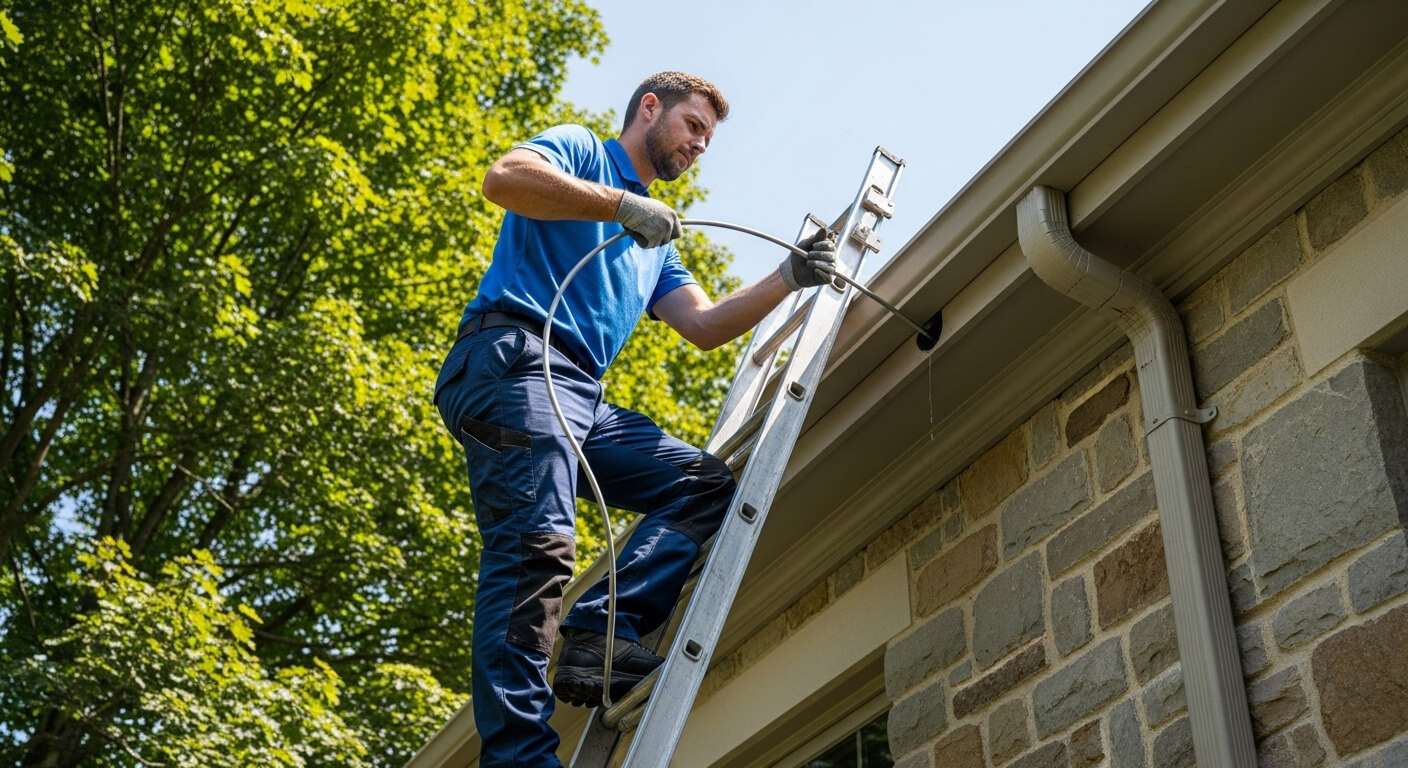
Roof and gutter inspections should happen before seasonal systems are restarted. Many signs of winter damage, especially from ice dams, only become visible once snow melts and spring rain begins.
Here’s what to inspect every year:
- Stained roof eaves or ceilings
- Soft spots in roof decking
- Damp attic insulation
- Lifted flashing or drainage issues
- Signs of water intrusion near exterior walls
Addressing ice dam damage in spring is far less disruptive than discovering hidden moisture issues months later.
Gutters and drainage systems should also be cleared and inspected after winter. Snowmelt, debris, road salt, and organic buildup can block drainage paths and redirect water toward the home.
A spring drainage inspection should include:
- Gutter and downspout clearing
- Checking for blocked drainage paths
- Inspecting downspout extensions and splash blocks
- Verifying water drains away from the foundation
- Looking for overflow near fascia boards or exterior walls
Winter frost and snowmelt can shift drainage components out of position, especially before the ground fully thaws.
Spring clearing and roof inspection are part of what Dibico’s roof, gutters, and drainage service handles as part of the opening sequence. The roof and gutter maintenance guide for Westchester County homes covers the full annual inspection framework in detail.
Masonry, Foundations, and Drainage at Grade
Spring is the best time to inspect masonry and foundation areas for damage caused by freeze-thaw cycles, snowmelt, and shifting ground conditions. Small cracks and drainage issues can worsen significantly after a harsh Northeast winter.
A spring exterior inspection should check for:
- Cracked or spalled brick and stone veneer
- Open or deteriorating mortar joints
- Heaved bluestone walkways or shifted driveway sections
- Retaining wall movement or frost heave
- Foundation cracks or basement moisture intrusion
- Water staining near basement windows or window wells
- Drainage and grading issues near the foundation
- Soil settling around downspout discharge points
Drainage should always direct water away from the home before spring rain and snowmelt place additional pressure on the foundation.
Interior Systems: HVAC, Plumbing, and Moisture
Spring HVAC servicing should happen before the first major heat wave arrives. Systems that have been running in heating mode all winter often reveal hidden issues during the first cooling cycle.
A spring HVAC inspection should include:
- Replacing air filters
- Cleaning coils and condensate drains
- Testing cooling system performance
- Verifying thermostat operation across all zones
- Inspecting boiler and multi-zone systems where applicable
For larger Westchester homes, each HVAC zone should be checked independently before summer demand increases.
Plumbing and Moisture Checks
Homes that sat vacant through winter often require additional plumbing and moisture inspections before seasonal systems are fully reactivated. Extended vacancies may also affect how often homes should get HVAC maintenance.
A spring plumbing and moisture inspection should include:
- Testing fixtures and drain traps
- Checking hose bibs and irrigation shutoffs
- Inspecting basements and attic spaces for moisture intrusion
- Looking for water staining, musty odors, or mold growth
- Inspecting exterior wall areas near roof eaves
- Testing sump pumps and backup systems before spring rain season
Moisture problems caused by ice dams, foundation cracks, or winter seepage often become visible only after temperatures rise and snow begins to melt.
The HVAC switchover, moisture inspection, and plumbing reactivation are coordinated through Dibico’s seasonal home preparation service as part of the spring opening program.
Outdoor Systems: Pools, Irrigation, and Outdoor Living
Pool openings in Westchester should ideally be scheduled in late March or early April before seasonal demand spikes. Pools that were not properly winterized may show equipment damage, chemical imbalance, or liner issues once reopened.
A spring pool and irrigation inspection should include:
- Pool equipment startup and inspection
- Checking for leaks or winter damage
- Testing irrigation zones individually
- Inspecting sprinkler heads after late freezes
- Updating irrigation controller schedules
- Checking outdoor water connections before use
Outdoor Living Areas and Exterior Features
Outdoor kitchens, patios, lighting systems, and entertaining areas should also be inspected before regular use resumes for the season.
Any outdoor systems maintenance checklist should include:
- Testing gas, LP, and electrical connections
- Inspecting grills and outdoor kitchen components
- Checking automated gate systems and outdoor lighting
- Lubricating moving hardware and tracks
- Inspecting decks and stone patios for freeze-thaw damage
Addressing outdoor system issues early in spring helps avoid disruptions once the outdoor season is fully underway.
Dibico’s pool and specialty outdoor systems service and outdoor living maintenance service coordinate pool opening, irrigation restart, and outdoor system inspection as part of the spring opening sequence.
Second Homes and Vacant Properties
Spring opening for vacant or second homes involves more than restarting systems. Homes that sat unoccupied through winter should be carefully inspected for hidden water damage, plumbing issues, drainage problems, and HVAC failures before systems are fully reactivated.
A spring reopening checklist should include:
- Exterior and perimeter inspection
- Plumbing pressurization and fixture testing
- HVAC system restart and zone checks
- Moisture and sump pump inspection
- Pool and outdoor system reactivation
- Drainage and foundation review
Properties with documented fall winterization records are typically easier to reopen because system shutdowns, flagged issues, and known vulnerabilities have already been recorded.
Many Westchester homeowners with Connecticut properties follow a similar seasonal reopening process across both homes.
What the Spring Home Opening Checklist Covers When Managed
Large Westchester properties often require multiple coordinated spring service visits across roofing, HVAC, plumbing, irrigation, pools, drainage, and outdoor systems. On homes with guest houses, pool houses, multiple HVAC zones, or extensive outdoor infrastructure, managing those schedules independently can quickly become complicated.
Dibico’s seasonal home preparation service coordinates:
- Vendor scheduling and access
- Seasonal inspections and system restart
- Pool and irrigation opening
- HVAC and plumbing reactivation
- Maintenance documentation and follow-up
Documented spring openings also help create a more consistent year-round maintenance record heading into the next seasonal cycle.
For homeowners in Westchester County looking to get ahead of the April window, Dibico can walk through what a managed spring opening looks like for a specific property.
Frequently Asked Questions About Spring Home Opening in Westchester
What should I check in my home after winter?
Start with exterior inspections, including the roof, gutters, drainage, masonry, and foundation. Then move to HVAC, plumbing, moisture checks, sump pumps, and outdoor systems like pools and irrigation.
What is a spring home maintenance checklist?
A spring home maintenance checklist covers inspections, system restart, drainage checks, HVAC servicing, plumbing reactivation, pool opening, and outdoor system preparation after winter.
When should I do spring home maintenance in Westchester?
Late March through April is typically the best time for spring home opening before vendor schedules fill and hidden winter damage worsens.
How do I open a home after winter?
Begin with exterior inspections before restarting interior and outdoor systems. Roof, drainage, plumbing, HVAC, and moisture checks should happen before pools, irrigation, and outdoor living areas are reopened.
How long does spring home opening take for a large property?
For larger Westchester homes with multiple systems or structures, the full spring opening process can take several weeks of coordinated inspections, servicing, and seasonal system reactivation.
What Matters Most Before the Season Fully Turns
- Schedule spring opening services between late March and April before vendor demand peaks
- Inspect roofs, gutters, drainage, foundations, and masonry before restarting systems
- Check for moisture intrusion in attics, basements, and exterior wall areas after winter
- Reactivate plumbing, HVAC, and outdoor systems in the proper sequence
- Review winterization records to identify flagged issues and known vulnerabilities before reopening the property
If you own a home in Westchester County and want spring opening handled as a coordinated program, Dibico’s seasonal home preparation service manages the vendor sequence, the inspections, and the documentation from late March through April. Reach out to us to start the conversation.