

The difference between preventive and reactive home maintenance is all in the timing. The former happens before problems show up, and the latter starts after something breaks.
For most homeowners, the reactive approach becomes the default, not by design, but by habit.
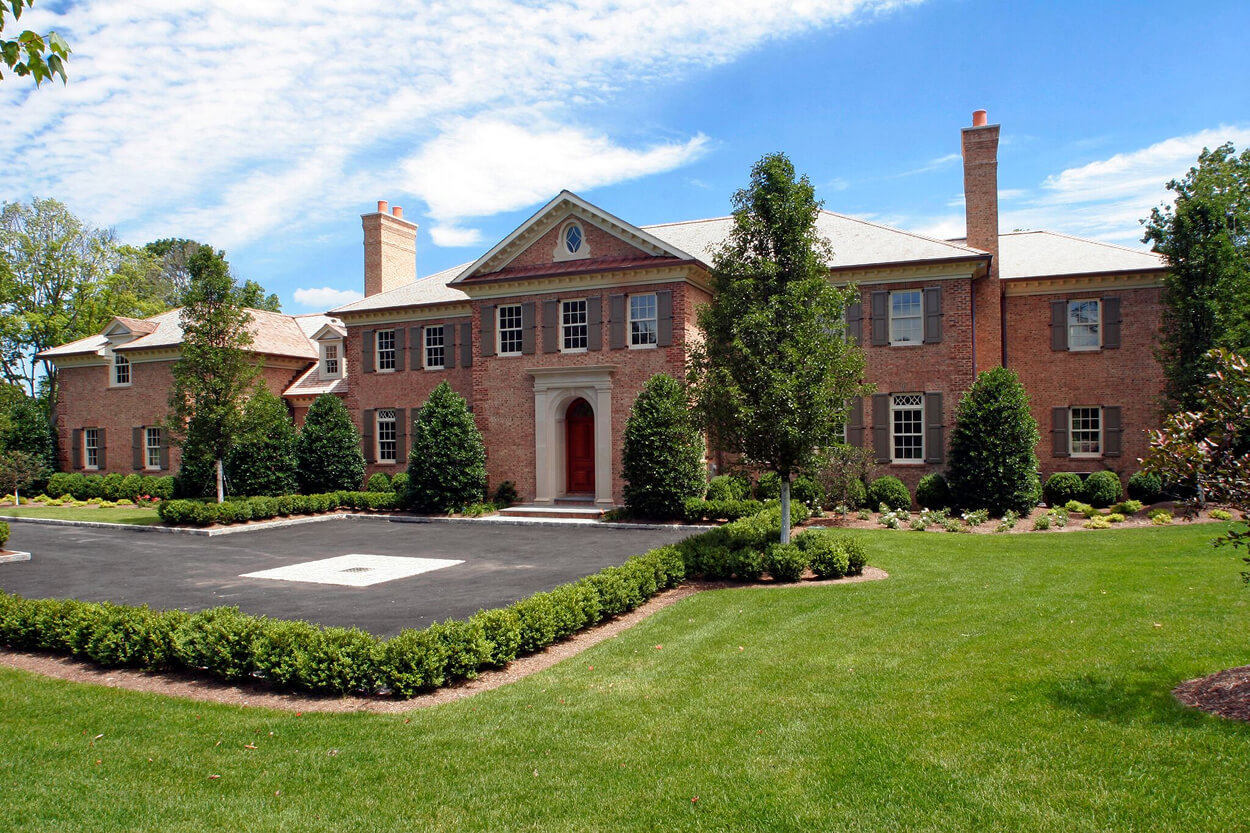
For luxury homeowners in Westchester County, that habit carries a much higher price, measured in dollars, disruption, and damage to finishes and systems that took years to build.
What Preventive vs Reactive Home Maintenance Actually Means
The Definition That Changes How You Think About Upkeep
Preventive maintenance runs on a set calendar. HVAC maintenance and tune-ups in spring and fall. Gutter clearing after leaf season. Roof inspections before the first hard freeze. Plumbing checks before temperatures really start to drop.
The goal, across all of it, is finding wear, age, and vulnerability before they become failures.
After that point, you’re looking at reactive maintenance. Let’s say your boiler stops working the middle of January. Or water appears on your ceiling during a storm. Or a circuit breaker trips and will not reset.
You call someone, they come out, they fix it. The work gets done, but only after the damage is already there.
Most homeowners handle what’s immediately visible, leaving the rest alone until something breaks.
Why Reactive Maintenance Costs More Than You Expect
Emergency service calls cost significantly more. A licensed plumber dispatched for a burst pipe on a February weekend will always cost more than a winterization visit scheduled in advance.
Secondary damage, like wet insulation, stained ceilings, damaged hardwood, and mold risk, often exceeds the original repair cost by a wide margin.
According to Angi’s plumbing cost research, emergency plumbers typically charge 1.5 to 3 times the standard daytime rate before trip fees are added. In Westchester, where qualified tradespeople are stretched thin and emergency slots fill fast, that cost tends to land at the higher end of that range.
For example, annual roof and gutter maintenance costs a fraction of what water intrusion into a finished attic or custom millwork wall costs to remediate. Most Westchester homeowners who have dealt with ice dam damage learn that math the hard way.
The Real Cost Difference for Westchester Homeowners
Here is how the numbers tend to run in Westchester homes:
HVAC
A seasonal tune-up runs $150 to $300. An emergency furnace replacement in January, including expedited parts sourcing, usually runs $6,000 to $12,000 or more depending on system size. Staying on a consistent HVAC servicing schedule is the single biggest factor in how long equipment lasts — Angi’s HVAC cost guide puts average system lifespan at 15 to 25 years with regular upkeep, a number that drops sharply without it.
Plumbing
Pre-winter inspections cost a few hundred dollars. Burst pipes in finished basements are common in older Westchester homes where supply lines run through poorly insulated exterior walls. That kind of water event can cause $20,000 or more in damage.
Roofing and gutters
Clogged gutters are the leading cause of ice dam formation in the Northeast. Ice dams push water under shingles and into wall cavities. A gutter cleaning costs $150 to $300. Ice dam remediation combined with interior repairs often runs $5,000 to $15,000.
Electrical
Periodic panel and wiring inspections catch aging components, overloaded circuits, and code concerns before they become hazards. Many Westchester homes still have original electrical systems, including knob-and-tube wiring, which carries its own risks if left uninspected.
When someone is watching all of these systems at once, problems that look unrelated start to connect. The plumbing in an old wall, the roof drainage directing water toward the foundation, the electrical panel that hasn’t been touched in a decade — those things interact. That’s what gets missed when homeowners manage each vendor separately rather than through a coordinated home maintenance program.
Why Preventive vs Reactive Home Maintenance Matters More for Westchester Homes
Older Construction, Custom Systems, and Higher Stakes
Westchester County’s housing stock skews old and complex. Many homes in Scarsdale, Bedford, Rye, and Chappaqua were built 60 to 100 years ago. Their infrastructure might be updated in layers rather than replaced wholesale.
That means older plumbing mixed with newer additions, original windows alongside replacement units, and HVAC systems assembled across many renovation cycles.
Custom homes are harder to maintain reactively. When a custom-fabricated cabinet runs into water from a pipe that went uninspected for five years, you can’t replace it with something off the shelf.
Fixing that requires a skilled craftsman, ordering materials, and disrupting the home for weeks at a time.
In a $3 million home, a repair is rarely just a repair. High-end materials like plaster walls, hand-laid tile, wide-plank hardwood, and custom millwork can’t be replaced quickly.
Repairs need the right vendor, working under pressure, on materials that are difficult and expensive to match.
The way systems overlap in older Westchester homes, HVAC, plumbing, roofing, and electrical, is what makes managing everything under one program different from handling issues one vendor at a time.
Second Homes Add Another Layer of Risk
Many Westchester homeowners use their property as a primary house but spend extended time away. They could spend time in Florida for winter months, at a Cape house in summer, or just travel for weeks at a stretch.
But leaving your home unoccupied for extended periods exposes it to risks it otherwise would never see.
Slow leaks, tripped circuits, or failing sump pumps aren’t immediately apparent. They certainly will be when someone returns to a foot of standing water or a blackout. Usually, those issues build for days.
The same goes for outdoor systems. A pool running without attention through the off-season, a generator that hasn’t been tested before winter, irrigation left pressurized through the first freeze — the outdoor system maintenance checklist follows the same seasonal calendar as everything inside the house, and the cost of skipping it is similar.
Preventive maintenance keeps someone paying attention so they can catch those problems early. For homeowners who split time between properties, that kind of regular oversight usually makes more sense through a dedicated home management service than through occasional check-ins.
That applies on both sides of the state line. Homeowners in Fairfield County consider switching to luxury home maintenance because they face the same exposure — older homes, high-value finishes, and the same cost of staying reactive. The shift toward preventive home management in that market reflects the same reasoning that applies in Westchester.
How a Managed Preventive Home Maintenance Program Works
Choosing Preventive vs Reactive Home Maintenance for Your Westchester Property
At a luxury home in Westchester, preventive care is not a once-a-year checklist. It needs to be continuous and coordinated by someone who understands the property’s history.
In practice, that looks like this:
- Seasonal walkthroughs covering structural, mechanical, and exterior systems
- Annual service coordination with vetted vendors for HVAC, plumbing, electrical, and roofing
- Detailed system records tracking age, service history, and upcoming needs
- Vendor coordination, so the homeowner is not managing scheduling, access, or follow-up
- A single point of contact who already knows the home and can respond quickly when something unexpected happens
Most homeowners Dibico works with say the same thing. Not having to track vendors, remember service dates, or coordinate access is worth as much as the maintenance itself.
That’s usually the point when homeowners start weighing the costs of a managed program against the cost of staying reactive. For many, the answer becomes clearer once they look at whether a home management program is worth it.
Dibico has served Westchester County homeowners for more than 35 years. Over that time the work has not changed much in concept. But the homes have grown more complex, the materials more varied, and the vendor landscape more demanding.
Building the relationships and system knowledge to manage it well across properties that are each genuinely different is what the experience is actually for.
Frequently Asked Questions
What is the difference between preventive and reactive maintenance?
Preventive maintenance is scheduled care designed to keep systems functioning and catch early warning signs before they become failures. Reactive maintenance responds after something has already broken.
In most cases, preventive care costs less, causes less disruption, and extends system life.
Why is preventive home maintenance important?
Most home systems deteriorate gradually. HVAC, plumbing, roofing, and electrical components all wear down over time.
Without regular inspection, small issues compound into larger failures.
A plaster wall that gets wet once can usually be dried out. A plaster wall that gets wet repeatedly while no one noticed eventually needs to come down.
Is preventive maintenance worth the cost?
For most luxury homeowners in Westchester County, yes. The cost of a preventive program is usually far less than a single major repair.
When you factor in emergency premiums and secondary damage, the numbers tend to favor prevention.
What happens when you delay home maintenance?
Deferred maintenance shifts costs into the future and increases them. Problems compound, damage spreads, and repairs become more complex.
In high-value homes, it also affects materials and finishes that are difficult to restore once damaged.
Key Takeaways
- Preventive maintenance is scheduled care, while reactive maintenance responds to failure
- Emergency repairs often cost 30 to 50 percent more than scheduled work
- Westchester homes carry higher risk due to age, complexity, and custom materials
- Second homes increase exposure because problems can go unnoticed
- A managed program adds oversight, coordination, and consistency over time
If you own a high-value home in Westchester County and your current approach is mostly reactive, Dibico can help you build a structured plan.
Our services are built for homeowners who want their properties maintained to the same standard they were built.
Contact Dibico to discuss what a preventive program looks like for your property.
Sources
- Angi: Emergency plumbing cost data — https://www.angi.com/articles/plumber-cost.htm
- Angi: HVAC repair cost and system lifespan data — https://www.angi.com/articles/how-much-hvac-repair-cost.htm