

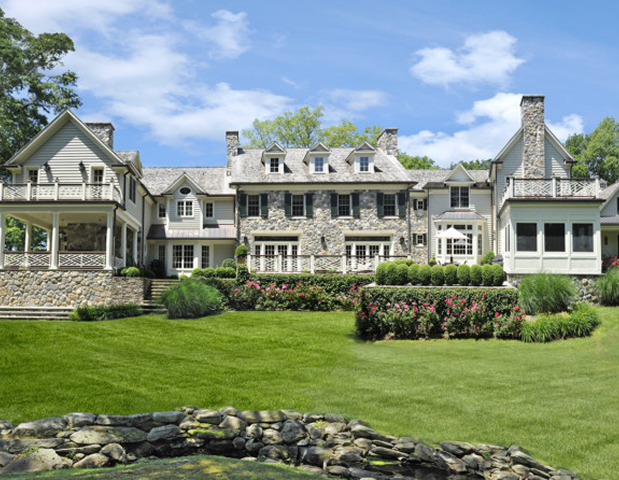
A luxury home management service provides scheduled oversight, preventive maintenance, vendor coordination, and seasonal preparation for high-value properties, managed by one company that knows your home, so you’re not the one tracking every detail. In Westchester County, where homes are often large, older, and running multiple complex systems, that kind of continuity has a real effect on both the home’s condition and what it holds in value over time.
Key Takeaways
-
- Home management is proactive by design. The value is in what doesn’t go wrong.
-
- A qualified company handles inspections, seasonal transitions, vendor coordination, and ongoing system monitoring across the whole property.
-
- For owners splitting time between homes or managing an estate-scale property, it removes significant coordination overhead.
-
- Westchester’s climate – hard winters, wet springs, and humid summers demands a real maintenance calendar. Most homeowners don’t keep one consistently.
What a Home Management Company Actually Does
The clearest way to describe it: your home management company is not a vendor you call when something breaks. It’s a single point of accountability that knows your property’s history, monitors its condition on a set schedule, and acts before a small problem has time to turn into a large one.
That accountability is what separates home management from a list of service contracts. A plumber who visits once a year doesn’t know what your home looked like six months ago. A home management company does.
For homeowners in Westchester County, whether it’s a primary residence or a second home they’re at on weekends, that kind of institutional knowledge about the property is genuinely hard to replicate otherwise.
What’s Included in a Home Management Program
A real program covers more ground than most homeowners expect. At Dibico, service is organized around four core areas:
Scheduled Preventive Inspections
Regular walkthroughs, monthly, quarterly, or on a cadence built around your property, catch system issues and deterioration before they compound. These cover roof and drainage, foundation checks, moisture levels, HVAC performance, and exterior condition reviews after significant weather. For older homes in Bedford or Rye, where infrastructure can be a generation or two old, those checks aren’t optional maintenance; they’re the difference between a $500 repair and a $25,000 one.
Seasonal Preparation and Transition
Westchester doesn’t give you much margin on seasonal transitions. Winters here are hard; ice damming is a recurring issue on many of the older rooflines in Chappaqua and Scarsdale, and frozen irrigation lines and exterior plumbing are a consistent source of preventable damage for homes that aren’t properly winterized. Spring work follows with drainage checks, post-winter roof assessments, and exterior repairs. Fall means heating system service, chimney and fireplace readiness, weatherization, and shutting down irrigation and outdoor water systems before the ground freezes.
Our seasonal home maintenance program is built specifically around Westchester’s seasonal cycle, not a generic checklist.
Vendor Coordination and Oversight
Finding a licensed contractor with estate-home experience in Westchester isn’t always straightforward, and permit requirements vary enough by municipality that knowing which town you’re in matters. Home management removes that burden entirely. Dibico maintains working relationships with vetted specialists across trades, knows what to expect during kitchen renovations in Scarsdale and the rest of Westchester County handling scheduling and oversight on your behalf. You don’t manage the vendors. We do.
System and Finish Monitoring
For homes with custom interiors, high-end finishes, or specialty systems, ongoing monitoring is what protects that investment. That means humidity tracking, HVAC filter and system checks, pool and outdoor system oversight, plumbing and water system reviews, and regular attention to paint and finish condition. A finish that’s starting to show moisture stress looks very different at month two than it does at month six, and catching it early is almost always a fraction of the cost.
Preventive vs. Reactive: A Direct Comparison
Most homeowners manage their properties reactively. Something fails, they call for help. Home management works the other way.
| Reactive | Preventive (Home Management) | |
| Trigger | System failure or visible damage | Scheduled inspection or monitoring |
| Cost profile | Unpredictable, often high | Planned, typically lower over time |
| Contractor relationship | New contact each time | Vetted, familiar with your home |
| Documentation | None | Ongoing condition record |
| Lead time | Emergency scheduling | Coordinated in advance |
| Risk to finishes | High — damage spreads before it’s caught | Low — addressed early |
According to a Congressional Research Service report on deferred maintenance, emergency repairs can cost three to ten times more than preventive maintenance when upkeep is consistently delayed. Systems that receive regular attention last longer and cost less to maintain over their lifetime, a relationship that’s proportionally more significant for homes with high-value finishes and complex mechanical systems.
Is Home Management Worth It for Westchester Homeowners?
For some properties, it’s optional. For others, the harder question is how they’ve managed without it.
It tends to make the most practical sense when:
-
- The property is larger or more complex. Multiple HVAC zones, a pool, a generator, well water, a guest cottage, or significant acreage each add real coordination overhead that accumulates fast.
-
- The owner travels frequently or splits time between homes. A property you’re not at regularly can develop problems you won’t see until they’re significant.
-
- The home is older or custom-built. Many properties in Bedford, Rye, and Chappaqua have aging infrastructure, unique systems, or specialty finishes that benefit from contractors who know the home specifically, not tradespeople seeing it for the first time.
-
- Discretion matters. Home management means a trusted company with an established relationship to your household, not a rotating set of unfamiliar contractors moving through the property.
On cost: Angi’s State of Home Spending report puts the standard budgeting guidance at 1% of a home’s value annually for maintenance — but notes that older homes, complex systems, and harsh climates push that figure higher. On a $3 million property, even the conservative end of the 1–4% range means $30,000 to $120,000 a year. Home management doesn’t reduce that number — it shifts the spend toward planned, documented work that holds property value, rather than emergency repairs that don’t.
How Dibico Approaches Home Management in Westchester County
Dibico works with homeowners across Westchester County — primary residences and second homes in Scarsdale, Rye, Bedford, and Chappaqua, among others. Our home management service is built for the scale and specificity of the properties in this market. We function as your single point of contact: inspecting the property, coordinating the right specialists, preparing the home for each season, handling any applicable home renovation permits, and maintaining clear records of condition and completed work over time.
That continuity, one company that knows your home’s history, is what makes proactive maintenance work in practice, not just in theory.
If you own a home in Westchester County and want to understand what structured home management would look like for your specific property, get in touch with Dibico. We’ll start with a conversation about your home, your schedule, and what level of oversight fits.
Dibico provides home management, preventive maintenance, and property oversight for luxury homeowners in Westchester County, NY, and Fairfield County, CT.